Contact
| Prof. Dr. rer. nat.
Dipl.-Phys.
Markus Riotte | |
| Phone: | +49 451 300 5373 |
| E-Mail: | markus.riotte@th-luebeck.de |
| Room: | G.2 17-1.11 |
| Prof. Dr. rer. nat.
Nadine Buczek | |
| Phone: | +49 451 300 5167 |
| Fax: | +49 451 300 5512 |
| E-Mail: | nadine.buczek@th-luebeck.de |
| Room: | D.2 20-0.06 |
| Prof. Dr. rer. nat.
Mark Elbing | |
| Phone: | +49 451 300 5010 |
| E-Mail: | mark.elbing@th-luebeck.de |
| Room: | G.1 13-0.10 |
| Prof. Dr.-Ing.
J.-Christian Töbermann | |
| Phone: | +49 451 300 5184 |
| E-Mail: | christian.toebermann@th-luebeck.de |
| Room: | F.9 21-0.07 |
| Prof. Dr. rer. agr.
Maximilian Schüler | |
| Phone: | +49 451 300 5554 |
| E-Mail: | maximilian.schueler@th-luebeck.de |
| Room: | G.1 13-0.26 |
| Prof. Dipl.-Ing.
Sebastian Fiedler | |
| Phone: | +49 451 300 5499 |
| E-Mail: | sebastian.fiedler@th-luebeck.de |
| Room: | E.1 14-0.19 |
| Prof. Dr.
Dirk Schwede PhD | |
| Phone: | +49 451 300 5367 |
| E-Mail: | dirk.schwede@th-luebeck.de |
| Room: | E.1 14-1.20 |
| Prof.
Christian Blatt M.Sc. | |
| Phone: | +49 451 300 5789 |
| Fax: | +49 451 300 5079 |
| E-Mail: | christian.blatt@th-luebeck.de |
| Room: | E.1 14-1.23 |
| Prof. Dr. rer. nat.
Dipl.-Biol.
Norbert Reintjes | |
| Phone: | +49 451 300 5241 |
| Fax: | +49 451 300 5512 |
| E-Mail: | norbert.reintjes@th-luebeck.de |
| Room: | G.1 13-0.24 |
| Clemens Kerssen
M.Sc.
| |
| Phone: | +49 451 300 5428 |
| E-Mail: | clemens.kerssen@th-luebeck.de |
| Room: | F.5 4-0.19 |
| Prof. Dr.-Ing.
Ulf Lezius | |
| Phone: | +49 451 300 5392 |
| E-Mail: | ulf.lezius@th-luebeck.de |
| Room: | G.2 17-2.07 |
Specialist Groups
Applied Photonics
Photonics is the key technology of the 21st century, driving innovation in telecommunications, medical technology, the automotive industry, and quantum technologies. From laser engineering to optical sensors to photonic chips, this cutting-edge field offers exceptional career opportunities. As a photonics specialist, you help shape the digital transformation and benefit from excellent job prospects in the high-tech sector.
Intelligent Energy Use
The Center of Excellence for Intelligent Energy Systems (WiE) develops innovative solutions for the energy transition and smart energy systems. Key research areas include AI-based energy optimization, smart grids, and a sustainable energy sector. Through interdisciplinary collaboration, the center is pioneering technologies that enhance energy efficiency and enable CO₂ neutrality. As a center of excellence for modern energy systems - we are actively shaping a climate-neutral future.
Materials for Storage and Renewable Energy Systems
Revolutionary materials research is key to a successful energy transition. Our research group develops innovative materials with photoelectric, thermoelectric, and electrochemical properties for batteries, solar cells, and fuel cells. From perovskite solar cells and solid-state batteries to hydrogen storage systems - we are creating the next generation of energy storage technologies. Cutting-edge research for sustainable energy solutions.
Sustainable Design, Construction, and Operation
Green building and sustainable construction are the answer to climate change in the building sector. Our approach combines environmental responsibility with economic viability and social equity. From cradle-to-cradle concepts to energy-plus buildings and smart building management - we design climate-neutral construction solutions. For a livable future within planetary boundaries and sustainable urban development.
Photovoltaics
Since 1976, TH Lübeck has been a pioneer in solar energy research in Germany. Our historic solar house, built in 1982, marked the beginning of our long-standing tradition in photovoltaic research. Today, we develop high-efficiency solar cells, innovative module technologies, and intelligent PV systems. From perovskite tandem cells and floating solar arrays to building-integrated photovoltaics (BIPV) - we are shaping the solar energy future. World-class solar research, made in Lübeck.
Environmental and Climate Protection
Climate protection needs concrete solutions. Our research group focuses on practical strategies for effective environmental and climate protection. Key areas include CO₂ reduction, circular economy, biodiversity conservation, and sustainable resource use. Through interdisciplinary research and technology transfer, we create innovative responses to the climate crisis. As Center of Excellence for Applied Climate Protection - we make a vital contribution to sustainable transformation.
Science Center for eMobility, Power Electronics and Decentralized Energy Supply (EMLE)
The Electromobility and Power Electronics group (EMLE) at Technische Hochschule Lübeck was originally founded as the Renewable Energies and eMobility research group (EEeM) by Prof. Dr. Tiedemann in July 2012 to address a wide range of unresolved technical and legal questions surrounding the energy and mobility transition.
Services for Small and Medium-Sized Enterprises (SMEs)
Sustainability Check by the Intelligent Business Processes Group

Sustainable development means companies focus on more than just economic success. They also consider long-term ecological, social, and entrepreneurial issues. This approach is critical to the competitiveness of SMEs, as customers, investors, and regulators place greater emphasis on sustainable business practices.
Energy Toolkit from CoSA - Center of Excellence
Many small- and medium-sized enterprises (SMEs) currently face major challenges identifying and implementing energy-saving measures. To help SMEs identify energy-saving opportunities and implement effective measures, researchers at the CoSA Center of Excellence at TH Lübeck have developed an “Energy Toolkit.” It includes various sensors that detect consumption patterns and highlight potential savings.
JuniorCampus
ASK, EXPLORE, DISCOVER!

The JuniorCampus at TH Lübeck is a space for preschoolers to ask questions, explore freely, and find answers on their own. Here, learning becomes an adventure - innovative, playful, and with plenty of room for discovery!
Hands-on experimentation helps children build knowledge while also strengthening social skills, creativity, and empathy These skills are essential for children's development and form the basis for holistic learning.
What can you expect? Fascinating questions like:
- Why does toast pop up at exactly the right moment?
- How does our heart beat—without a motor?
- Do apples really always fall down?
- And what does a cabbage have to do with mathematics?
Immerse yourself into the exciting world of STEM subjects (Science, Technology, Engineering, and Mathematics). No prior knowledge is required—just curiosity and an open mind. A passion for STEM is contagious and turns learning into a joyful, rewarding experience.
Join us and help spark a lifelong love of discovery!
Visit the JuniorCampus at TH Lübeck >>
Podcast episodes (german)
Explore Renewable Energy in These Degree Programs
Applied Chemistry
B.Sc.
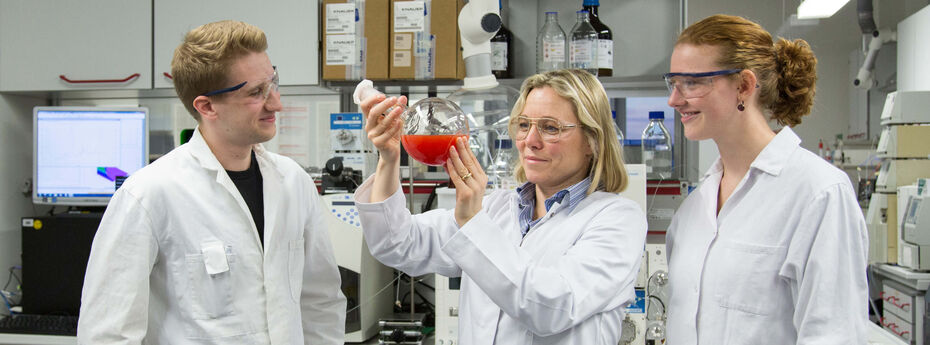
The Applied Chemistry bachelor's program provides a practice-oriented education covering all core areas of modern chemistry. Students gain in-depth knowledge in organic, inorganic, and physical chemistry, while also engaging with cutting-edge fields such as materials science and biotechnology. Graduates can expect excellent career opportunities in industry, research, and development.
Civil Engineering
B.Eng.
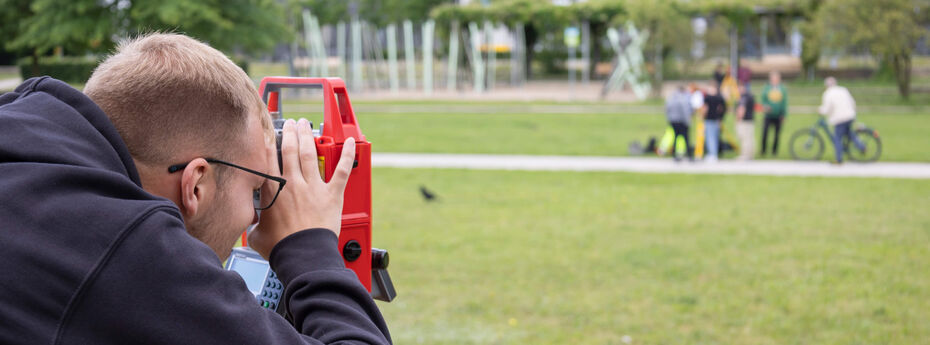
This seven-semester bachelor’s program in Civil Engineering combines the fundamentals of structural engineering with sustainable planning methods and digital technologies such as Building Information Modeling (BIM). The curriculum includes engineering mathematics, interdisciplinary projects with architecture students, as well as a strong focus on statics, structural design, and environmental engineering. The program also offers the option to qualify as an energy consultant. Graduates enjoy excellent career prospects in both the construction industry and the public sector.
Electrical Engineering
B.Sc.
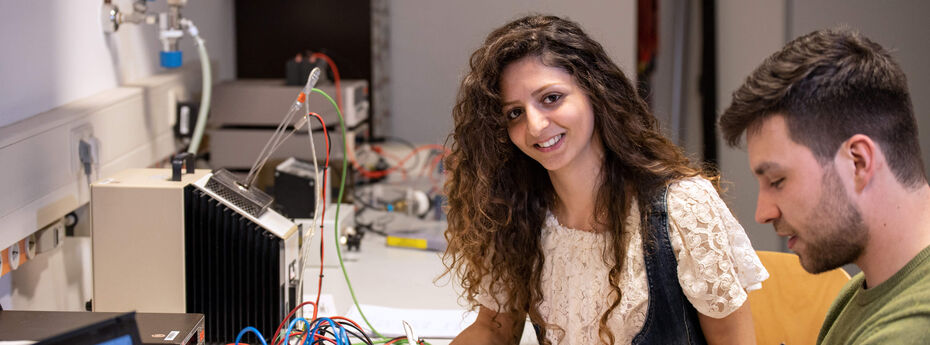
Electrical engineering is one of the most in-demand STEM fields of the future. From e-mobility and smart homes to renewable energy systems, electrical engineers are key drivers of the digital transformation. This bachelor’s program provides comprehensive skills in automation technology, microelectronics, and sustainable energy systems. Graduates are well prepared for a broad range of careers across all sectors.
Applied Information Technology
M.Sc.
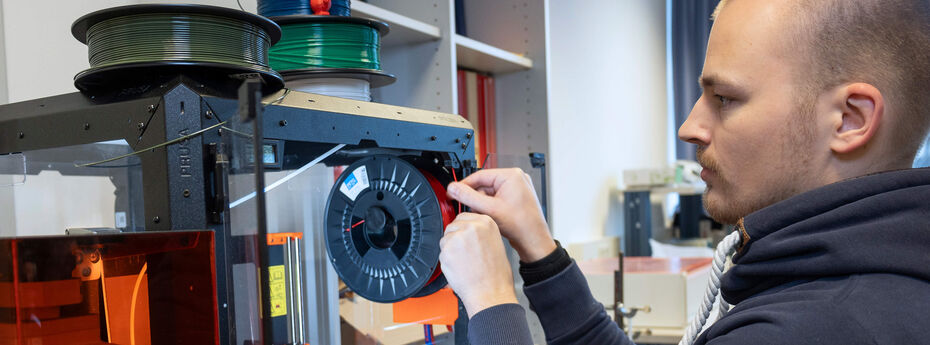
This master’s program is designed for graduates of electrical engineering who wish to specialize in emerging fields such as cyber-physical systems, the Internet of Things (IoT), and Industry 4.0. Core topics include artificial intelligence, machine learning, and networked systems. The practice-oriented curriculum provides excellent preparation for leadership roles in the digitalized industrial sector. Graduates benefit from outstanding career prospects in innovation and development.
Applied Physics
M.Sc.
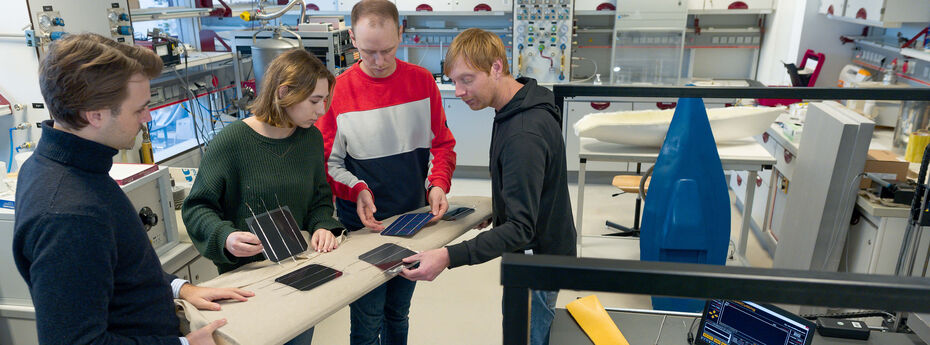
This master's program combines theoretical physics with application-oriented research in emerging technologies. The program focuses on quantum technology, nanotechnology, semiconductor physics, solar energy, and AI applications. Graduates are trained to become sought-after innovation experts in research and development in high-tech companies and scientific institutions. The program guarantees excellent career prospects across a wide range of advanced fields.
Electrical Engineering – Energy Systems and Automation
B.Sc.
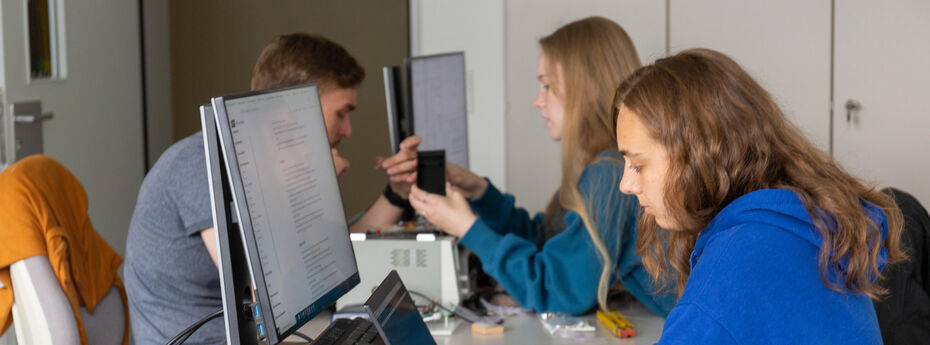
Digitalization, e-mobility, and the energy transition all rely on electrical engineering. This future-oriented bachelor’s program focuses on intelligent energy systems, automation technology, and sustainable power supply. From smart grids to robotics, graduates are equipped to help shape the climate-neutral industries of tomorrow. Excellent career opportunities await in the rapidly growing green tech sector.
Sustainable Chemistry
M.Sc.
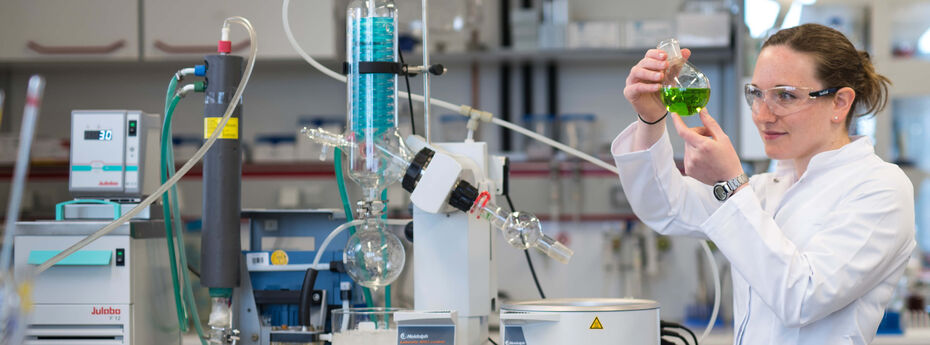
Green chemistry is the chemistry of the future: resource-efficient, environmentally responsible, and innovation-driven. This master's program prepares students to become experts in sustainable synthesis methods, the bioeconomy, and green materials. With specialized knowledge in biotechnology, catalysis, and circular economy systems, graduates are well equipped to contribute to the transformation of the chemical industry. Outstanding career prospects in the field of sustainable chemistry are guaranteed.
Sustainable Building Technology
B.Eng.
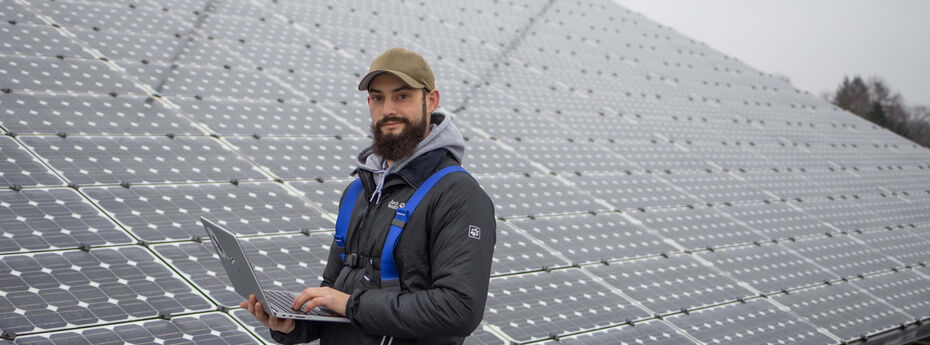
Climate engineering for the future: This innovative bachelor’s program trains engineers in energy-efficient and climate-neutral building technologies. Key areas of focus include smart building systems, renewable energy technologies, and sustainable construction. The program also includes qualification as a certified energy consultant. As a specialist in green building technology, graduates actively contribute to the decarbonization of the construction industry. Excellent career opportunities are assured.
Engineering Physics
B.Sc.
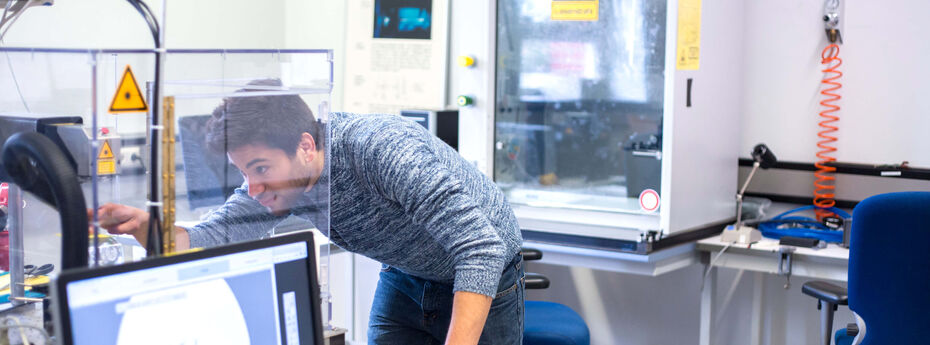
This interdisciplinary bachelor’s program combines fundamental physics with industrial applications and modern technologies. Topics range from laser and measurement technology to materials physics and quantum technology. Graduates are trained as versatile problem-solvers with broad scientific and technical expertise, positioning them ideally for careers in research and development, high-tech industries, and innovation management.
Renewable Energy (Online)
B.Eng.
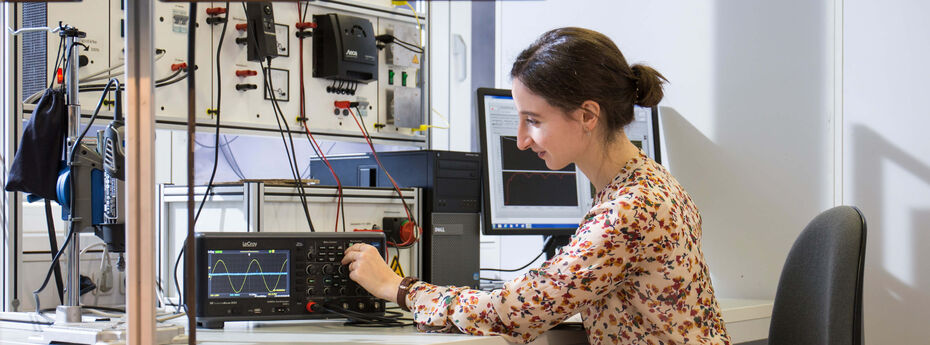
The energy transition depends on qualified specialists: By 2030, 80% of electricity is expected to come from renewable sources. This online program provides comprehensive expertise in photovoltaics, wind power, energy storage, and smart grid technologies. The flexible online format allows you to study part-time while maintaining professional commitments. As a renewable energy engineer, you will play an active role in shaping a sustainable energy future. Excellent career prospects in the green tech sector await you.
Environmental Engineering and Management
B.Sc.
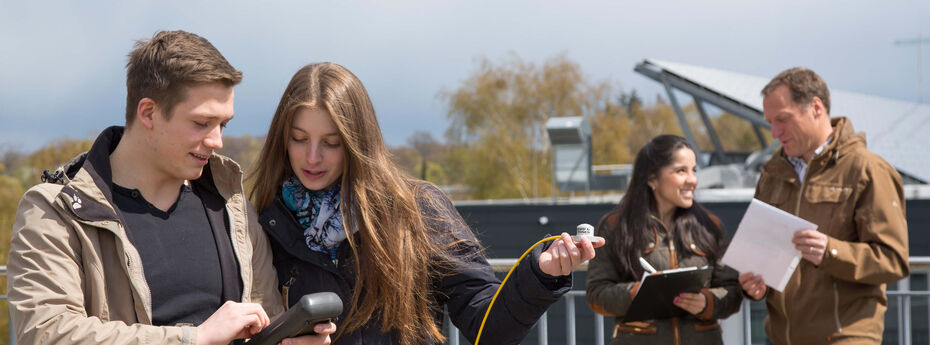
Sustainable development requires interdisciplinary thinking. This bachelor's program combines engineering with environmental management and sustainability. Key areas of study include circular economy, environmental technology, resource management, and corporate sustainability. Graduates are trained to become sought-after change agents driving the green transformation across industry, government, and consulting. Excellent career prospects await in the growing green economy.
Environmental Management
M.Sc.
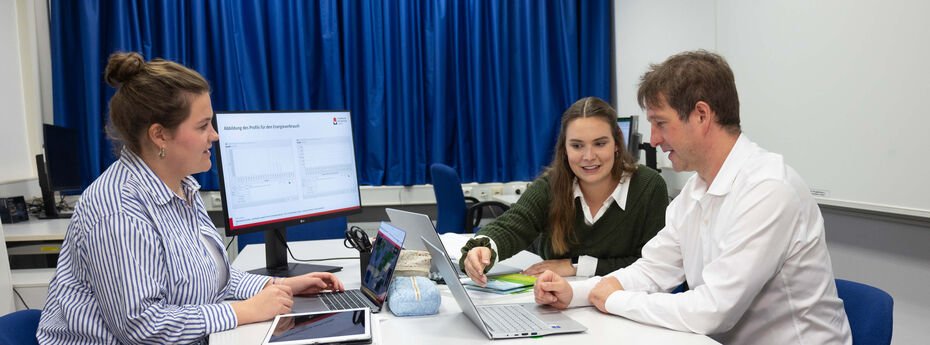
Sustainability leadership for the future: This master’s program prepares students for leadership roles in environmental and sustainability management. Core topics include ESG management, climate protection, circular economy, and sustainable corporate governance. With interdisciplinary expertise spanning ecology, economics, and social responsibility, graduates are ideally positioned to become highly sought-after sustainability managers. Excellent career prospects in the green economy are assured.